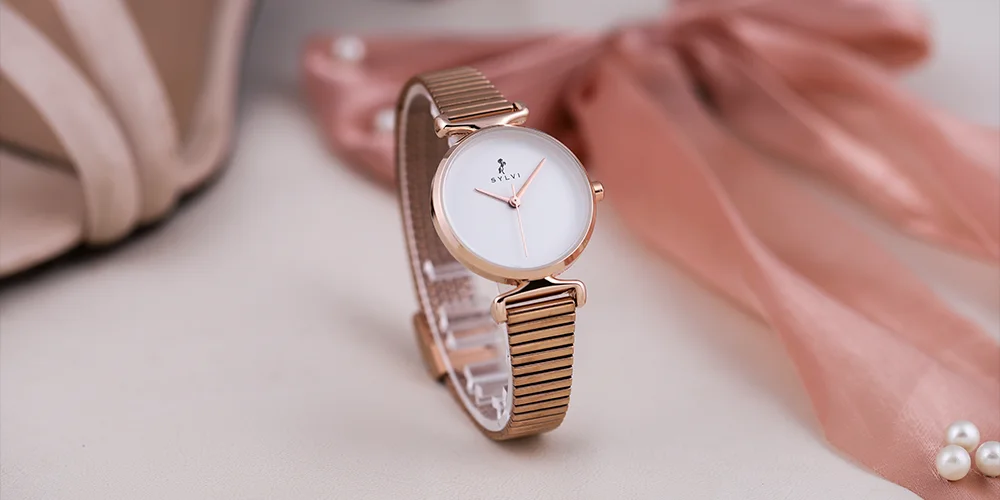
Accessories are far more than fashion add-ons; they are expressions of individuality, tools of functionality, and subtle markers of personal taste. Whether it’s a sleek wristwatch, a statement handbag, or minimalist jewelry, accessories have the power to transform an outfit, define an identity, and convey sophistication. In today’s culture of curated aesthetics, the right accessories are not mere decorations—they are extensions of personality and lifestyle. Understanding how to select, combine, and care for accessories can refine not only your wardrobe but also the impression you leave on the world.
The Role of Accessories in Modern Style
Accessories complete an outfit in the same way punctuation completes a sentence. They provide emphasis, contrast, and meaning. From a stylistic standpoint, accessories are essential in achieving balance and cohesion. A neutral outfit can become eye-catching with the right belt or necklace, while an overdone look can be softened by minimalist pieces.
Why Accessories Matter
Accessories serve several purposes in personal and professional settings:
- Enhancing appearance: They elevate basic attire into something sophisticated and polished.
- Expressing personality: Accessories reveal personal preferences—color choices, textures, materials—all contribute to self-expression.
- Signaling status and lifestyle: Items such as luxury watches or designer bags subtly communicate success and taste.
- Adding versatility: A single accessory can completely change how an outfit feels—transforming a casual look into something formal or elegant.
Key Categories of Accessories
The world of accessories is vast, but certain categories stand out for their universal appeal and function. Understanding each helps you build a more refined and cohesive wardrobe.
Jewelry: The Language of Refinement
Jewelry remains one of the most expressive forms of accessorizing. Rings, necklaces, bracelets, and earrings can define a look’s tone—glamorous, professional, or casual. Gold and silver jewelry often serve as timeless investments, while gemstones and artisan pieces offer individuality.
Tips for choosing jewelry:
- Pair delicate jewelry with bold prints or layered textures.
- Use statement pieces like chunky necklaces or oversized earrings to elevate minimal outfits.
- For professional attire, opt for understated elegance—think thin bracelets, simple studs, and clean lines.
Watches: Where Style Meets Precision
Watches are among the most iconic accessories, merging aesthetics with purpose. A luxury watch conveys confidence, punctuality, and an appreciation for craftsmanship. Meanwhile, smartwatches bring technology into everyday wear while maintaining modern appeal.
Popular styles include:
- Dress watches: Ideal for formal wear, featuring minimalist dials and leather straps.
- Field or pilot watches: Rugged yet stylish, perfect for a casual or business-casual look.
- Smartwatches: Blending digital functionality with sleek design, suitable for active lifestyles.
Handbags and Wallets: Function Meets Fashion
No accessory captures both practicality and elegance quite like handbags and wallets. They are everyday essentials that serve utility while defining personal aesthetics. A structured leather handbag exudes professionalism, while a crossbody or clutch can express a playful side.
Key considerations when selecting handbags:
- Material: Genuine leather provides longevity and sophistication.
- Color: Neutral tones offer versatility, while bold hues make powerful statements.
- Size: Match the bag’s size with your daily needs—oversized for workdays, compact for outings.
Footwear: The Foundation of Style
Shoes are the silent anchors of every outfit. From loafers and boots to heels and sneakers, footwear can make or break your overall presentation. Beyond aesthetics, shoes influence posture, comfort, and confidence.
A few footwear fundamentals:
- Match shoes to the tone of your outfit; casual outfits pair best with clean sneakers or loafers.
- Invest in high-quality leather shoes for durability and timeless appeal.
- Keep them clean and conditioned to maintain a polished appearance.
Belts and Scarves: Small Pieces, Big Impact
Belts and scarves may seem minor, but they can dramatically shift the visual structure of an outfit. A belt can define your silhouette, while a scarf can introduce texture or color contrast.
How to style them effectively:
- Choose statement belts to emphasize waistlines or break up monochrome outfits.
- Use scarves to add flair—tie them around your neck, bag handle, or even as a headband for a creative twist.
Sunglasses and Eyewear: The Finishing Touch
Eyewear merges function with aesthetics, protecting the eyes while framing the face. Choosing the right pair of sunglasses or prescription glasses enhances both comfort and personal branding.
Considerations for eyewear:
- Face shape determines what frame style flatters best.
- Material and color choices can reflect mood—metallics evoke modernity, while acetate frames offer vintage charm.
Choosing the Right Accessories for Your Style
Selecting accessories involves more than following trends—it requires understanding your personality, wardrobe, and lifestyle.
Align Accessories with Your Aesthetic
Whether your look is minimalist, bohemian, streetwear-inspired, or corporate, consistency creates harmony. Mixing styles is possible, but balance is key. For instance, pairing rugged boots with a tailored coat can create a polished yet edgy vibe.
Prioritize Quality Over Quantity
A curated collection of well-made accessories outshines a cluttered assortment of fast-fashion pieces. Materials such as genuine leather, sterling silver, or stainless steel ensure longevity. Investing in craftsmanship pays off through durability and enduring style.
Adapt to the Occasion
Context matters. Accessories suitable for casual brunches might not work for boardroom meetings or evening events. Developing awareness of what fits each setting enhances confidence and appropriateness.
Examples include:
- Work settings: Subtle jewelry, structured bags, clean leather shoes.
- Casual outings: Colorful scarves, minimal watches, stylish sneakers.
- Formal events: Elegant clutches, gemstone jewelry, polished heels.
The Psychological Impact of Accessories
Accessories influence perception—not just how others see you but how you see yourself. They often serve as psychological tools for empowerment, confidence, and identity expression.
A study in fashion psychology suggests that wearing well-chosen accessories can boost self-esteem and productivity. A polished watch or favorite necklace acts as a form of enclothed cognition—a phenomenon where clothing affects mental state and performance.
In professional environments, accessories can subtly convey authority and credibility. A structured handbag or quality tie, for example, signals organization and attention to detail.
Caring for Your Accessories
Proper maintenance ensures that your accessories retain their quality and appeal over time. Neglect can quickly degrade even the finest materials.
Jewelry care: Store pieces separately to prevent scratches. Clean with mild soap and soft cloths to maintain shine.
Leather care: Use conditioners and avoid direct sunlight exposure.
Watch maintenance: Have mechanical watches serviced regularly and avoid water exposure for non-water-resistant models.
Eyewear cleaning: Use microfiber cloths and lens-safe solutions to avoid scratching.
Trends Shaping the Future of Accessories
Fashion trends are evolving rapidly, but certain shifts stand out as influential in the accessory world.
Sustainable and Ethical Materials
Modern consumers increasingly value eco-conscious choices. Recycled metals, plant-based leathers, and ethical production methods are shaping the next generation of accessories.
Tech-Integrated Accessories
From smart jewelry to app-connected watches, technology is redefining traditional accessories. These pieces combine utility with style, appealing to professionals and innovators alike.
Gender-Neutral Designs
The boundaries of gendered fashion are blurring, and accessories are leading the charge. Minimalist, versatile pieces that suit all identities are becoming the norm, promoting inclusivity and personal freedom.
FAQs About Accessories
Q1: How many accessories should I wear at once?
Less is often more. Focus on one statement piece and complement it with subtle items. For instance, a bold necklace pairs well with minimalist earrings.
Q2: Are expensive accessories always better?
Not necessarily. While high-quality materials offer longevity, style and personality matter more. A well-chosen affordable piece can look just as elegant.
Q3: How do I match accessories with my outfit color scheme?
Use color harmony principles. Metallics go with nearly everything, while complementary colors add contrast. Neutral accessories work best for patterned clothing.
Q4: What accessories are essential for a professional wardrobe?
Key essentials include a leather belt, classic watch, understated jewelry, structured handbag, and polished shoes.
Q5: What’s the best way to organize and store accessories?
Use dedicated jewelry boxes, watch cases, and dust bags for handbags. Keep them in a cool, dry space to avoid tarnish or wear.
Q6: How do I know if an accessory fits my personal style?
If it complements your daily wardrobe and makes you feel confident, it fits your style. Accessories should align with your comfort and personality rather than trends.
Accessories are more than embellishments—they are storytelling tools. Each piece you choose contributes to your narrative, helping you communicate who you are without saying a word. Whether classic, contemporary, or experimental, the key lies in intention. By investing in quality, mastering balance, and wearing what feels authentic, you transform accessories from mere adornments into lasting symbols of self-expression.
