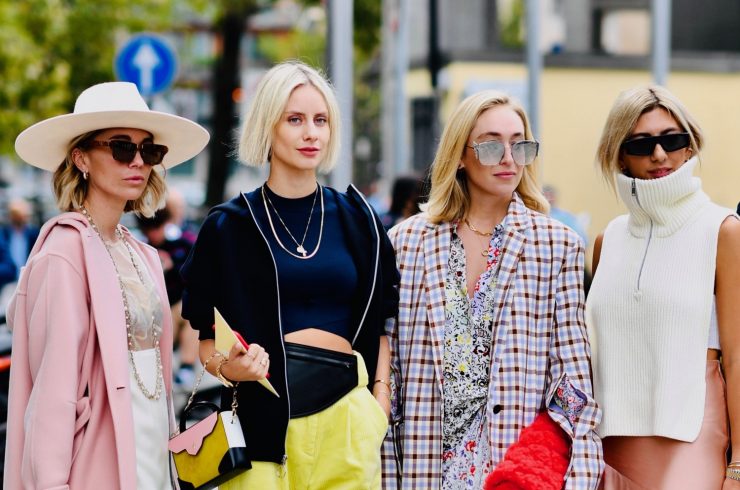
Accessories have a unique ability to change the character of an outfit without requiring a complete wardrobe change. A carefully selected accessory can introduce color, improve functionality, add sophistication, or simply make an appearance feel more personal. From everyday essentials to special occasion pieces, accessories have become an important part of modern dressing.
The right choices do not necessarily need to be expensive or fashionable for a short period. What matters most is finding pieces that complement personal preferences, fit comfortably, and work well with existing clothing.
The Role of Accessories in Everyday Fashion
Clothing provides the foundation of an outfit, while accessories add the finishing details. A plain outfit can become more interesting with a stylish bag, attractive watch, or carefully chosen piece of jewelry.
Accessories can also help create different looks from the same clothing. For example, a simple daytime outfit can be made more polished by adding a structured handbag and elegant jewelry. The same clothing can take on a relaxed appearance when paired with a casual cap and practical backpack.
This flexibility makes accessories particularly valuable for people who want variety without constantly purchasing new clothes.
Finding Pieces That Reflect Your Personality
Personal style is not about following every trend. It is about choosing items that feel comfortable and authentic. Accessories provide an easy way to express individual preferences because they can be changed quickly.
Someone who prefers a classic appearance might choose simple watches, leather-inspired belts, and neutral handbags. Another person may prefer colorful scarves, bold earrings, or unusual designs.
Useful questions to consider include:
- Do I prefer simple or eye-catching designs?
- Which colors appear most often in my wardrobe?
- Do I need accessories mainly for fashion or practicality?
- Will I use this item regularly?
- Does it suit my lifestyle and daily routine?
Answering these questions can make shopping decisions easier and more purposeful.
Creating Balance With Color
Color is one of the most effective ways to use accessories. A neutral outfit provides an excellent foundation for introducing a brighter accessory without creating visual confusion.
For example, a dark outfit can be refreshed with a lighter handbag or colorful scarf. Similarly, colorful clothing may benefit from accessories in neutral shades.
There is no requirement for every accessory to be the same color. Instead, look for combinations that feel balanced. Similar tones can create a coordinated appearance, while contrasting colors can add energy and character.
The most important consideration is moderation. Too many competing colors can make an outfit appear disorganized.
Functional Accessories Can Be Stylish
Accessories are not limited to decorative items. Many everyday pieces serve practical purposes while contributing to personal style.
A handbag provides storage, while a backpack can make commuting more convenient. A watch offers easy access to the time, and sunglasses can improve comfort in bright conditions. Belts can help provide a secure fit while also adding structure to an outfit.
This combination of usefulness and appearance makes practical accessories particularly valuable. When choosing such items, durability and comfort should be considered alongside visual appeal.
Choosing Accessories for Work
Professional environments often benefit from accessories that look polished without being distracting. Simple designs usually provide greater flexibility because they can work with different clothing combinations.
A practical work accessory should ideally be comfortable enough for long periods of use. Bags should have enough space for daily necessities, while jewelry should not interfere with normal activities.
Neutral shades, clean designs, and durable materials can make professional accessories easier to coordinate. However, a subtle personal detail, such as a distinctive watch or scarf, can still add character.
Accessories for Casual Outfits
Casual clothing provides more freedom for experimentation. Comfortable sneakers, caps, backpacks, casual watches, and simple bracelets can add personality without making an outfit feel overly formal.
The key is to maintain a relaxed sense of balance. Casual accessories should complement the overall mood of the clothing rather than make it appear unnecessarily complicated.
Small changes can have a noticeable effect. Switching from a formal bag to a casual backpack, for example, can completely change the impression of an otherwise similar outfit.
Making Smart Purchasing Decisions
Buying accessories impulsively can quickly result in a crowded collection filled with items that rarely get used. A better approach is to consider versatility before making a purchase.
Look for pieces that can work with several outfits and suit more than one occasion. Neutral and classic designs often provide greater long-term value, while distinctive pieces can be added selectively for variety.
Before buying, consider whether the accessory fills a genuine need or simply looks appealing at the moment. This simple distinction can help reduce unnecessary spending.
Caring for Valuable Pieces
Good maintenance can extend the life of accessories. Store items carefully, keep them away from unnecessary moisture, and follow suitable cleaning methods for their materials.
Bags should not be overloaded because excessive weight can damage handles, seams, or straps. Jewelry should be stored separately when possible to reduce scratches and tangling.
Regular care not only protects the appearance of accessories but also helps preserve their usefulness over time.
Building a Versatile Collection
A strong accessory collection begins with dependable basics. A practical bag, comfortable belt, versatile watch, suitable sunglasses, and a few simple jewelry pieces can provide a solid foundation.
After establishing these essentials, additional pieces can be selected according to personal taste, seasons, and special occasions.
The goal is not to own the largest collection. The goal is to have accessories that work well, feel comfortable, and support different aspects of everyday life.
Final Thoughts
Accessories can transform simple clothing into a more complete and expressive appearance. They offer opportunities to experiment with color, texture, practicality, and personality without replacing an entire wardrobe.
By focusing on quality, comfort, versatility, and personal preference, it becomes easier to build a collection that remains useful over time. The best accessories are not necessarily the most expensive or fashionable. They are the pieces that naturally fit into everyday life and help each person present their own unique style with confidence.
