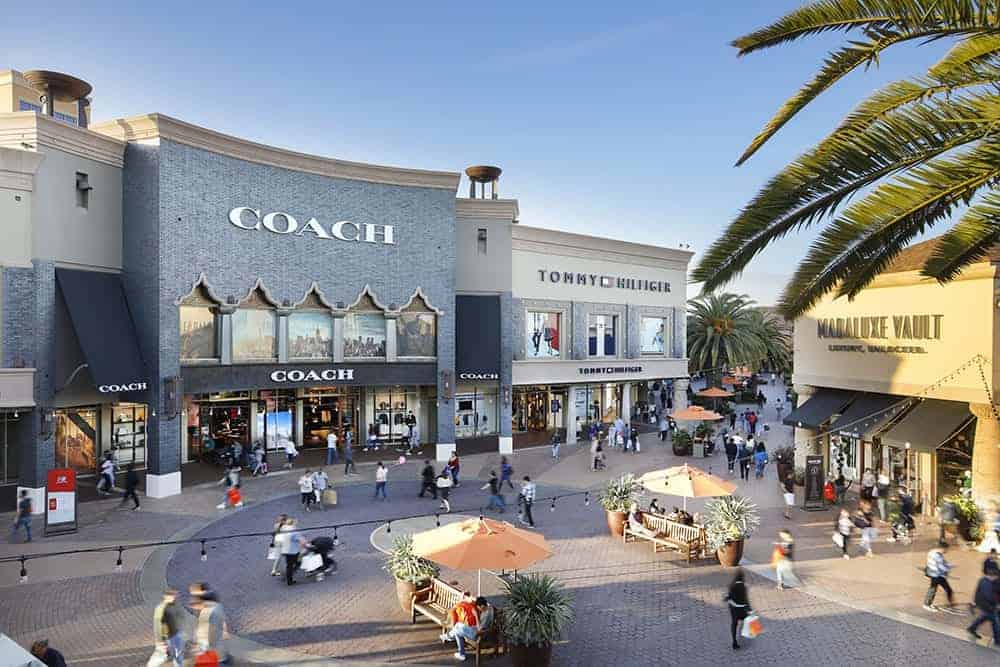
An outlet store represents one of the most fascinating models in modern retail, offering consumers access to brand-name merchandise at reduced prices while providing retailers with an efficient way to move excess inventory. What began as a simple means for manufacturers to sell surplus or slightly imperfect goods has evolved into a sophisticated retail segment valued by both shoppers and businesses. In a world where consumers crave both quality and affordability, outlet stores bridge the gap by combining brand prestige with cost savings. Understanding the strategy behind outlet shopping, its evolution, and how to make the most of it reveals why outlets remain one of the most powerful forces in the retail industry today.
The Origin and Evolution of Outlet Stores
Outlet stores first emerged in the early 20th century as a practical solution for manufacturers to sell off defective or unsold merchandise directly to employees at discounted prices. Over time, this practice expanded beyond factory grounds, opening doors to the public and marking the beginning of a retail revolution.
By the 1970s and 1980s, outlet shopping had become mainstream in the United States, with the creation of outlet malls strategically located outside major cities. These centers drew consumers looking for bargains on premium brands, often in a more relaxed and experiential setting than traditional shopping malls.
Today, outlet stores have evolved into global destinations, blending in-person shopping with digital integration. Some outlets now operate exclusively online, offering the same value-driven approach through e-commerce platforms. The industry’s success stems from one essential principle: providing perceived value while maintaining brand integrity.
How Outlet Stores Work
At their core, outlet stores function as direct-to-consumer channels for manufacturers and retailers. They sell merchandise that doesn’t fit the conventional retail cycle but remains desirable to customers seeking affordability.
Key Sources of Outlet Merchandise
Outlet store products typically fall into one of several categories:
- Overstock items: Excess inventory that regular retail locations could not sell within a season.
- Past-season collections: Items from previous fashion or production cycles offered at reduced prices.
- Factory seconds: Products with minor imperfections that don’t meet a brand’s strict quality standards but are still usable.
- Exclusive outlet lines: Some brands design specific product lines for outlet stores, often at lower price points but maintaining brand style and design integrity.
The Pricing Strategy
Pricing in outlet stores is carefully calculated. Discounts typically range between 25% and 65% off retail value, though markdowns can be higher during seasonal sales or clearance events. The pricing model is designed to maintain a perception of luxury and exclusivity while incentivizing purchase decisions through significant savings.
Retail analysts often point out that outlet pricing isn’t simply about slashing costs—it’s about creating psychological satisfaction. Customers experience the thrill of a “smart buy,” combining emotional gratification with tangible economic value.
The Psychology Behind Outlet Shopping
Outlet stores appeal to a fundamental aspect of human behavior: the pursuit of a bargain. The excitement of discovering high-quality products at discounted rates triggers dopamine responses similar to those experienced when achieving goals or rewards.
Psychological factors driving outlet shopping include:
- Perceived exclusivity: Shoppers feel they have access to special deals not available to the average consumer.
- Value justification: Even if a purchase isn’t essential, the reduced price makes it feel justified.
- Treasure-hunting mindset: The unpredictable mix of inventory makes shopping feel like an adventure, keeping customers engaged longer.
These psychological triggers explain why outlet malls attract millions of visitors annually, often turning shopping into a full-day experience rather than a transactional errand.
The Strategic Role of Outlet Stores for Brands
Outlet stores are not just beneficial for consumers—they serve critical business purposes for brands and manufacturers.
Inventory Management
Every retail company faces the challenge of unsold stock. Outlet stores act as an efficient channel to liquidate inventory without harming the pricing integrity of mainline retail stores. By separating outlet operations, brands prevent price dilution across their flagship stores.
Market Expansion
Outlets allow brands to reach new consumer segments, particularly price-sensitive shoppers who may not engage with standard retail locations. For many, outlet shopping represents their first interaction with a premium or luxury brand, fostering long-term loyalty.
Brand Awareness and Loyalty
Outlet stores help maintain brand visibility while offering a value-driven entry point. When shoppers experience quality products at discounted prices, they often develop trust and loyalty that can translate into future full-price purchases.
Real Estate and Location Strategy
Most outlet centers are strategically located outside metropolitan areas. This placement allows for lower operational costs while encouraging longer visits and higher basket sizes, as customers often plan entire trips to these destinations.
How to Maximize Value When Shopping at Outlet Stores
While outlet stores already offer substantial discounts, strategic shoppers know how to maximize value further.
Research Before You Shop
Check outlet store websites or brand listings for information about current promotions, sales events, and seasonal discounts. Many outlets also have loyalty programs that provide additional savings or early access to sales.
Compare Prices
Not all outlet discounts represent deep savings compared to online or retail promotions. Use price comparison apps or brand websites to determine the true retail price before making a purchase.
Shop During Off-Peak Hours
Visiting outlet stores during weekdays or early mornings can help you avoid crowds and access the best inventory before it’s picked over by other shoppers.
Focus on Quality and Material
While some items in outlet stores are specifically produced for discount sales, it’s essential to evaluate quality before purchase. Check stitching, fabric, and product tags to confirm authenticity and durability.
Leverage Loyalty and Membership Programs
Many outlet stores offer reward systems that accumulate points with each purchase. These points can often be redeemed for future discounts or exclusive access to limited-time collections.
The Rise of Online Outlet Stores
In the digital age, outlet shopping is no longer limited to physical malls. Online outlet stores provide the same value-driven experience with greater convenience and accessibility.
How Online Outlets Operate
E-commerce outlets function through dedicated platforms that list discounted merchandise directly from brands or third-party sellers. Unlike traditional online retailers, these stores focus on clearance, past-season inventory, and exclusive digital deals.
The online outlet model benefits both consumers and retailers:
- For consumers: Access to discounted merchandise from multiple brands in one place.
- For retailers: Reduced overhead costs and broader market reach without physical infrastructure.
Advantages of Online Outlet Shopping
- 24/7 access to deals without travel or time restrictions
- Wider product variety through digital catalogs
- Transparent pricing and comparison options
- Environmentally efficient as online outlets often consolidate shipping logistics
The success of online outlet stores illustrates how digital transformation continues to reshape retail dynamics.
The Economic Impact of Outlet Stores
Outlet stores contribute significantly to the retail economy. In the United States, outlet shopping centers generate billions in revenue annually, supporting jobs in logistics, retail, and marketing. They also stimulate local economies through tourism and infrastructure development.
Many outlet centers double as entertainment hubs, featuring dining, leisure, and cultural attractions. This combination transforms them from shopping destinations into lifestyle experiences that attract families and travelers alike.
Sustainability in the Outlet Store Industry
Sustainability has become an integral part of modern retail. Outlet stores play a unique role in reducing waste by repurposing unsold merchandise that might otherwise be discarded.
Sustainable benefits of outlet stores include:
- Reducing landfill waste by selling overstock and imperfect products.
- Encouraging conscious consumerism through affordable access to durable goods.
- Supporting the circular economy by extending product life cycles.
Some brands have also integrated eco-friendly practices within their outlet operations, such as using sustainable packaging or offering recycling programs for worn items.
Future Trends Shaping Outlet Shopping
As retail continues to evolve, outlet stores are adapting to emerging technologies and changing consumer expectations.
Integration of Artificial Intelligence and Data Analytics
AI-driven insights help brands predict consumer preferences, personalize offers, and optimize pricing strategies. Outlet stores can use these tools to enhance customer engagement and improve inventory management.
Hybrid Shopping Experiences
Many outlet centers are integrating digital elements like mobile apps and virtual try-on tools to create seamless hybrid experiences. These innovations bridge the gap between physical and online shopping.
Sustainability-Driven Consumer Behavior
Future shoppers are increasingly conscious of their purchasing impact. Outlets that prioritize transparency and eco-friendly practices will resonate more strongly with modern consumers.
FAQs About Outlet Stores
Q1: Are outlet store products lower in quality than retail store items?
Not necessarily. Many outlet products are identical to those sold in mainline stores, though some are produced specifically for outlets. It’s always advisable to inspect materials and craftsmanship before purchasing.
Q2: Why are outlet malls located outside major cities?
Location decisions are driven by cost efficiency and destination appeal. Suburban or rural outlets benefit from lower rent and attract shoppers willing to travel for discounts.
Q3: Can you return outlet store purchases?
Most outlet stores have return policies, though they may differ from regular retail stores. Always confirm the policy before purchasing, especially during clearance sales.
Q4: How do online outlet stores maintain authenticity?
Reputable online outlets source merchandise directly from brands or authorized distributors, ensuring product authenticity. Always verify site legitimacy before purchasing.
Q5: Do outlet stores sell new or used items?
Outlet stores primarily sell new items, though some may include refurbished products clearly labeled as such.
Q6: When is the best time to shop at outlet stores?
Major holidays, end-of-season sales, and clearance events typically offer the deepest discounts. Shopping during weekdays also ensures better selection and fewer crowds.
Q7: Are outlet prices negotiable?
Prices at outlet stores are generally fixed, but joining loyalty programs or using digital coupons can lead to additional savings.
Q8: Do outlet stores contribute to sustainability?
Yes. By reselling excess and unsold goods, outlets help reduce waste and support circular retail practices.
An outlet store represents the perfect blend of value and quality in the retail ecosystem. Whether you visit a sprawling outlet mall or browse digital clearance platforms, these stores offer opportunities to experience premium brands at accessible prices. For both businesses and consumers, outlet shopping embodies the future of smart, sustainable, and experiential retail.
