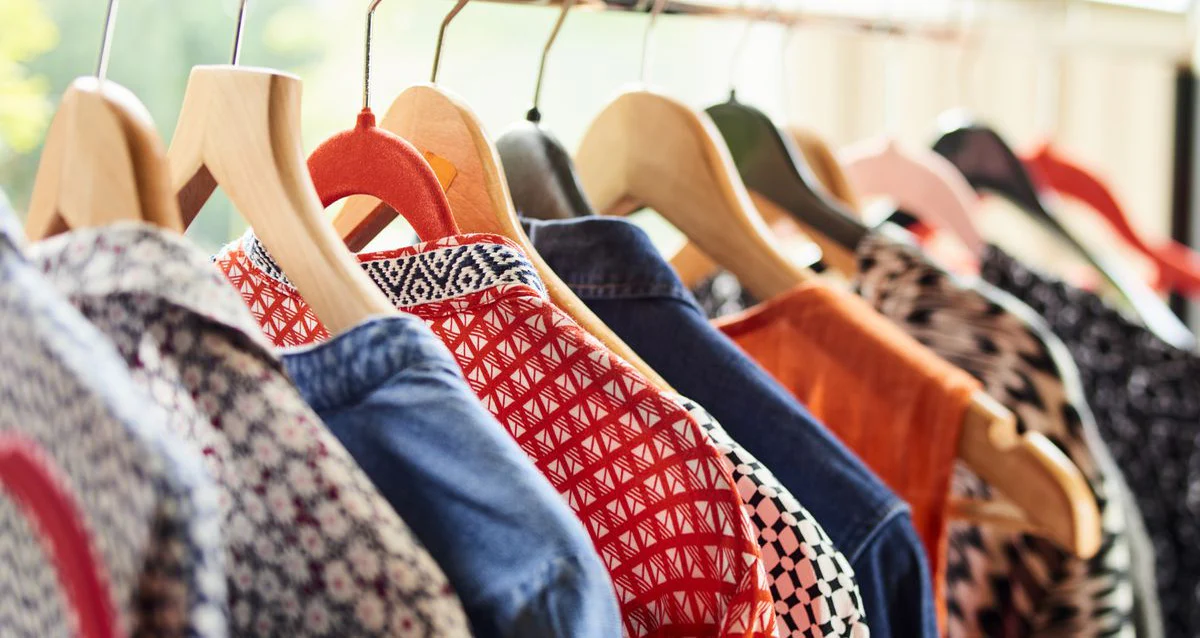
Clothing has always been more than just fabric stitched together—it represents culture, identity, functionality, and innovation. From primitive coverings made of animal skins to today’s high-performance, sustainable fabrics, the clothing industry has evolved into a global powerhouse that influences lifestyle, economy, and the environment. Understanding the deeper layers of how clothing shapes our daily lives can help consumers make informed, responsible choices while appreciating the art and science behind what we wear.
The Historical Evolution of Clothing
Clothing began as a necessity for protection against the environment, but over centuries it transformed into a symbol of identity, social status, and creativity. In ancient civilizations, garments reflected hierarchy and culture. Egyptians used linen for its coolness in hot climates, while Romans embraced wool and togas as marks of citizenship. By the Middle Ages, intricate garments and embroidery defined nobility across Europe, while commoners wore practical wool or hemp clothing. The Industrial Revolution marked a pivotal shift when mechanized looms and sewing machines made mass production possible. This era democratized fashion, allowing the middle class to access styles once reserved for the elite. In the 20th century, clothing evolved rapidly through cultural shifts—the roaring 1920s flapper dresses symbolized freedom, the 1960s reflected rebellion through bright prints, and the 1990s embraced minimalism and streetwear. Today, the clothing industry merges functionality, digital innovation, and sustainability to meet modern demands.
Understanding Fabric Types and Their Characteristics
Every piece of clothing begins with a fabric, and understanding material types helps consumers appreciate both comfort and performance.
Natural Fabrics
Natural fabrics come from plants and animals, providing breathability and comfort.
- Cotton: Known for its softness, absorbency, and versatility, cotton remains one of the world’s most popular fabrics. It’s used in everything from T-shirts to formal wear.
- Wool: Derived from sheep, wool offers excellent insulation and moisture-wicking properties, making it ideal for winter wear.
- Silk: Luxurious and smooth, silk has a natural sheen and drapes beautifully, often used in high-end clothing and accessories.
- Linen: Made from flax plants, linen is lightweight, breathable, and perfect for warm climates.
Synthetic Fabrics
Synthetic fabrics are man-made through chemical processes, designed for specific functions such as durability or stretch.
- Polyester: Extremely durable and wrinkle-resistant, polyester is widely used in activewear and everyday garments.
- Nylon: Originally developed as a silk substitute, nylon is strong, quick-drying, and commonly found in outerwear and hosiery.
- Acrylic: Known for its softness and warmth, acrylic mimics wool but is lighter and more affordable.
- Spandex (Lycra): Renowned for elasticity, spandex provides flexibility in athletic and fitted garments.
Blended Fabrics
Blends like cotton-polyester combine the best of both worlds—natural comfort with synthetic strength. Blends enhance garment durability, ease of care, and cost efficiency, meeting both aesthetic and functional needs.
Innovation in Clothing Technology
Modern clothing isn’t just about fashion; it’s about functionality, technology, and personalization.
Smart Fabrics and Wearable Tech
Smart textiles integrate electronic components into clothing, creating garments that can monitor health, regulate temperature, or even charge devices. Athletic wear now includes fabrics that measure heart rate or muscle movement, transforming fitness routines.
Performance Wear and Technical Fabrics
High-performance fabrics are engineered for specific activities. Moisture-wicking, UV-protective, and antimicrobial textiles dominate sportswear. Outdoor enthusiasts benefit from weatherproof jackets made of Gore-Tex or similar membranes that combine breathability with waterproofing.
3D Knitting and Custom Manufacturing
3D knitting and digital garment design reduce waste by producing clothing directly from digital patterns. This on-demand manufacturing model is reshaping how brands approach production efficiency and sustainability.
The Rise of Sustainable Clothing
Sustainability has become one of the most critical themes in the clothing industry. The environmental impact of fast fashion—characterized by overproduction, chemical use, and waste—has sparked a global movement toward ethical practices.
Eco-Friendly Fabrics
Organic cotton, bamboo, hemp, and Tencel are gaining popularity for their low environmental footprint. These fabrics are biodegradable and produced using less water and fewer chemicals.
Circular Fashion
Circular fashion focuses on reusing, recycling, and repurposing garments to extend their lifecycle. Consumers are encouraged to buy fewer, higher-quality pieces, while brands invest in recycling technologies and take-back programs.
Slow Fashion Movement
Slow fashion challenges the rapid trends of fast fashion by prioritizing craftsmanship, timeless design, and durability. It emphasizes transparency—knowing where and how a garment is made and ensuring fair labor practices.
The Role of Clothing in Cultural Identity
Clothing serves as a language of its own. Every culture expresses identity, values, and traditions through its garments. Traditional attire—like the Japanese kimono, Indian sari, or Scottish kilt—embodies centuries of heritage. In multicultural societies, clothing often merges traditional and contemporary influences, symbolizing global unity and individual expression. Modern designers continue to reinterpret cultural garments, blending heritage with innovation.
The Business of Fashion and Clothing Production
Behind every garment lies a complex supply chain involving design, manufacturing, marketing, and retail.
- Design Phase: Designers analyze market trends, consumer behavior, and cultural shifts to create appealing collections.
- Production: Clothing manufacturing often takes place in developing countries, where labor costs are lower. Ethical brands now focus on improving factory conditions and fair wages.
- Distribution: E-commerce has transformed the retail landscape, making it easier for consumers to purchase directly from brands and reducing reliance on physical stores.
- Marketing: Social media plays a pivotal role in shaping trends, with influencers and celebrities driving purchasing behavior.
Clothing and Personal Expression
Fashion is a reflection of personality and emotion. What people wear often communicates confidence, creativity, or belonging. For example, minimalist clothing can signify sophistication, while bold prints reflect vibrancy and confidence. Workwear trends are evolving too—offices now embrace comfort-driven yet professional attire, blending style with practicality.
Practical Clothing Care Tips for Longevity
Caring for clothing properly extends its lifespan, reducing environmental impact.
- Follow care labels: Always wash garments according to manufacturer instructions.
- Avoid over-washing: Washing less frequently preserves fabric quality.
- Air dry when possible: Reduces energy use and maintains shape.
- Repair, don’t discard: Simple sewing skills can give clothes new life.
- Store smartly: Keep clothing away from direct sunlight and in breathable garment bags.
Future of Clothing: The Next Frontier
The future of clothing lies in customization, technology integration, and sustainability. 3D printing will revolutionize how garments are made, allowing for custom fits and zero waste. Smart clothing will continue to expand into healthcare, sports, and lifestyle applications. Meanwhile, eco-conscious consumers will push brands toward transparency, circular production, and responsible sourcing. The next generation of clothing is not only about style—it’s about synergy between technology, humanity, and the planet.
FAQs About Clothing
Q1. What are the most sustainable fabrics available today?
Organic cotton, hemp, bamboo, and Tencel are leading sustainable fabrics. They require less water, avoid harmful pesticides, and are biodegradable.
Q2. How can I identify ethically made clothing?
Look for certifications like Fair Trade, GOTS (Global Organic Textile Standard), or B Corp. Ethical brands often provide full transparency about sourcing and labor conditions.
Q3. What are some ways to reduce clothing waste?
You can donate, sell, or upcycle old garments. Supporting brands with recycling programs or buying secondhand also helps reduce textile waste.
Q4. How has technology changed clothing design?
Technology enables precision design through CAD (Computer-Aided Design), 3D printing, and virtual fitting rooms. These advancements reduce waste and allow for better customization.
Q5. Why is slow fashion gaining popularity?
Consumers are becoming aware of the environmental and ethical issues surrounding fast fashion. Slow fashion offers quality, longevity, and a sense of responsibility toward both people and the planet.
Q6. What’s the best way to maintain delicate fabrics like silk?
Handwashing with mild detergent and air drying in shade is best. Avoid direct sunlight and harsh chemicals to preserve texture and color.
Clothing today is more than just what we wear—it’s a powerful expression of who we are, where we come from, and how we impact the world. By choosing consciously, understanding materials, and embracing innovation, we can transform fashion into a force for positive change.
