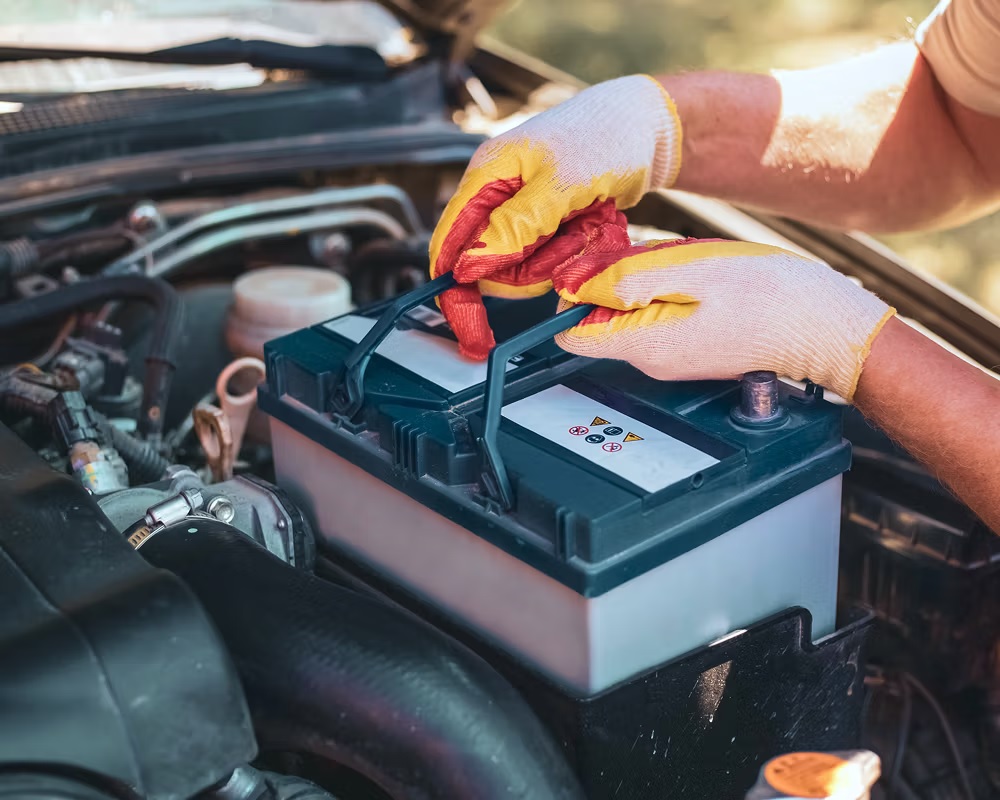
A vehicle’s electrical system is the heart of its reliability, and at the center of it all lies the car battery. It powers every electrical component, from the ignition system and lights to the advanced driver-assistance systems found in modern vehicles. Yet, batteries deteriorate over time, and understanding how auto repair shops test and replace car batteries can make all the difference between dependable performance and unexpected breakdowns.
Professional auto repair shops use diagnostic tools, standardized procedures, and environmentally responsible disposal methods to ensure each battery replacement restores your vehicle to optimal condition. This article explores their step-by-step process, the science behind accurate testing, and why relying on trained technicians is essential for battery longevity and safety.
The Importance of Professional Battery Testing
A weak or dying battery doesn’t always fail overnight. Often, it shows subtle signs—slow cranking, dim lights, or intermittent electronic malfunctions—that many drivers overlook. Professional testing at an auto repair shop identifies issues before they escalate into roadside emergencies.
Precision and Accuracy
Technicians use advanced diagnostic equipment such as conductance testers, voltmeters, and load testers. These devices measure not only voltage but also cold-cranking amps (CCA), internal resistance, and reserve capacity. This comprehensive data ensures that the test result reflects real battery health, not just a surface-level charge reading.
Preventing Misdiagnosis
Some electrical problems mimic battery failure but originate elsewhere—like a faulty alternator, parasitic draw, or poor ground connection. Professional battery testing rules out these conditions by evaluating the entire charging system. This prevents unnecessary battery replacements and pinpoints the true cause of power issues.
Signs Your Battery Needs Testing
Professional technicians often recommend testing your battery twice a year, but certain conditions warrant immediate attention:
- Slow or difficult starting even after charging
- Dim headlights or flickering dashboard lights
- Corrosion on terminals or cables
- Swollen or cracked battery case due to heat exposure
- Frequent jump-starting or rapid discharge
- Electronics malfunctioning when the car is idling
When any of these symptoms appear, an inspection by a certified technician becomes vital to avoid total failure.
Step-by-Step Process of Battery Testing in an Auto Repair Shop
Step 1: Visual Inspection
Before running diagnostics, technicians perform a visual inspection. They look for physical damage, loose cables, corrosion, and leakage. A swollen or leaking case indicates internal gas buildup or overheating, which requires immediate replacement.
Technicians also check the age of the battery. Most car batteries last 3 to 5 years, depending on climate and driving conditions. The manufacturing date is coded on the battery label, helping determine if age is a factor in performance issues.
Step 2: Checking Terminal Connections
A poor connection can mimic a weak battery. Professionals clean the terminals and ensure all cable ends are tight and free from corrosion. They use special cleaning brushes and apply dielectric grease to prevent future corrosion and maintain solid conductivity.
Step 3: Battery Voltage Test
The open-circuit voltage (OCV) test is the first quantitative check. A fully charged 12-volt battery should read between 12.6 and 12.8 volts. Readings below 12.4 volts indicate partial discharge, while anything under 12.0 volts often means the battery is deeply discharged or defective.
Step 4: Load Test
A load test evaluates how well the battery performs under a simulated starting condition. The tester applies a load equal to half the battery’s cold-cranking amp rating for about 15 seconds. If voltage drops below 9.6 volts during the test, the battery is considered weak.
Modern auto shops often use digital conductance testers, which analyze the battery’s internal resistance and provide a quick, reliable health score. These tests are more precise and less invasive than traditional load tests, especially for sealed or AGM batteries.
Step 5: Alternator and Charging System Test
Even a new battery will fail prematurely if the alternator is undercharging or overcharging. A charging system test measures:
- Alternator output voltage and amperage
- Regulator performance to ensure consistent voltage
- Current draw from accessories when the vehicle is off
This holistic evaluation ensures that both the battery and the alternator are working harmoniously.
Step 6: Diagnostic Code Scan (If Needed)
In modern vehicles, the battery plays a crucial role in powering control modules and sensors. Voltage irregularities can trigger diagnostic trouble codes (DTCs). A quick scan helps identify related electrical faults, ensuring the root cause is resolved alongside the battery issue.
The Professional Battery Replacement Process
Once testing confirms that the battery cannot be restored, professional replacement becomes necessary. Unlike simple DIY swaps, professional replacements follow precise steps to protect the vehicle’s electrical system and ensure optimal performance.
Step 1: Preserving Vehicle Memory
Many modern cars store critical data in their onboard computers—radio presets, clock settings, and even engine management parameters. Technicians use a memory saver or auxiliary power supply to maintain voltage while replacing the battery, preventing loss of stored information and avoiding reprogramming needs.
Step 2: Safe Battery Removal
Removing the old battery involves:
- Disconnecting the negative terminal first to avoid short circuits
- Loosening clamps and removing hold-down brackets
- Lifting the battery carefully, as it contains acid and can be heavy
Technicians wear protective gloves and eye gear to guard against acid spills or sparks.
Step 3: Cleaning and Preparation
Before installing the new battery, the tray and terminals are cleaned with a corrosion-neutralizing solution. This step ensures solid electrical contact and reduces resistance that can hinder charging performance.
Step 4: Installing the New Battery
The new battery is positioned securely, and hold-down clamps are tightened to prevent vibration damage. The positive cable is connected first, followed by the negative cable. Each connection is checked for tightness and treated with protective terminal grease.
Step 5: System Initialization and Testing
Once installed, technicians:
- Start the vehicle and check charging voltage
- Ensure that all electrical systems function properly
- Clear any error codes triggered by the battery disconnect
- Perform a short drive cycle if required to reinitialize adaptive modules
Step 6: Disposal and Recycling
Responsible auto repair shops handle old batteries according to environmental regulations. Used batteries are sent to certified recycling facilities where their lead, plastic, and acid are safely processed and reused. This prevents hazardous waste from contaminating soil or water sources.
Why Battery Replacement Should Be Left to Professionals
Safety Considerations
Car batteries contain sulfuric acid and can release explosive hydrogen gas. Incorrect handling, improper installation, or short circuits pose serious risks. Technicians follow strict safety procedures, including proper ventilation, insulated tools, and protective gear.
Correct Specification Matching
Not all batteries fit every vehicle. Shops ensure the replacement battery meets OEM specifications for group size, cold-cranking amps, reserve capacity, and terminal orientation. Installing a mismatched battery can damage the charging system or fail to start the engine in cold conditions.
Electrical System Calibration
In newer vehicles, the battery must often be registered with the vehicle’s computer. This tells the system that a new battery has been installed, allowing proper charge regulation and preventing premature wear. Professionals perform this registration using factory-grade diagnostic equipment.
Warranty and Service Documentation
A professional installation typically includes a battery warranty covering defects or early failure. Shops also record service details, ensuring traceability and supporting future diagnostic or warranty claims.
Common Mistakes Avoided by Professional Technicians
- Installing a new battery without testing the old one (leading to missed charging system faults)
- Failing to reset electronic modules after battery replacement
- Ignoring cable corrosion or failing to tighten clamps correctly
- Skipping alternator testing, which may lead to premature battery failure
- Using low-quality or incorrect battery types, compromising longevity
Professional service eliminates these risks through standardized procedures, training, and quality assurance.
How Weather Affects Battery Life
Temperature extremes are among the leading causes of battery degradation. Professional technicians consider local climate when recommending service intervals.
- Cold weather increases internal resistance and reduces available cranking power. A battery that’s weak in winter may fail completely in freezing temperatures.
- Hot weather accelerates chemical breakdown, causing electrolyte evaporation and plate corrosion. Shops in warmer regions often recommend more frequent testing to prevent unexpected failures.
Using the correct battery type—such as AGM for high-heat environments—helps mitigate these effects.
Preventive Maintenance Tips from Auto Repair Experts
To extend your battery life and ensure reliable operation, professionals recommend:
- Testing your battery every 6 months, especially before seasonal changes
- Keeping terminals clean and tight
- Avoiding prolonged idling or accessory use when the engine is off
- Ensuring the alternator and charging system are functioning properly
- Driving regularly to maintain battery charge
Routine professional inspections combine these steps with diagnostic evaluations to catch potential issues early.
Frequently Asked Questions (FAQ)
How long does professional battery testing take?
A standard battery test usually takes about 10 to 15 minutes, depending on the vehicle. Comprehensive charging system tests may require additional time.
Can a weak alternator damage a new battery?
Yes. If the alternator undercharges or overcharges, it can shorten battery life by causing sulfation or overheating. That’s why technicians always test the alternator during battery service.
Should I disconnect my battery during long storage?
For storage longer than a month, either use a battery maintainer or disconnect the negative terminal to prevent parasitic drain. Auto repair shops can install a quick-disconnect switch for convenience.
What’s the difference between AGM and conventional batteries?
AGM (Absorbent Glass Mat) batteries use fiberglass mats to hold electrolyte, offering higher resistance to vibration and better performance in cold weather. They are common in vehicles with start-stop systems and advanced electronics.
How can I tell if my car needs a battery or alternator replacement?
If the car won’t start but the lights and accessories still work, it’s likely a battery issue. If the battery repeatedly dies or dashboard lights flicker while driving, the alternator may be at fault. A diagnostic test at a professional shop can confirm the cause.
Are old batteries dangerous to store at home?
Yes. Old batteries can leak acid, corrode metal surfaces, or release harmful gases. Always bring them to a professional repair shop or recycling center for safe disposal.
By understanding how auto repair shops test and replace car batteries, drivers can appreciate the precision, safety, and expertise that professionals bring to a service that many underestimate. Regular testing, timely replacement, and professional handling not only prevent breakdowns but also ensure every electrical component in your vehicle performs flawlessly year-round.
