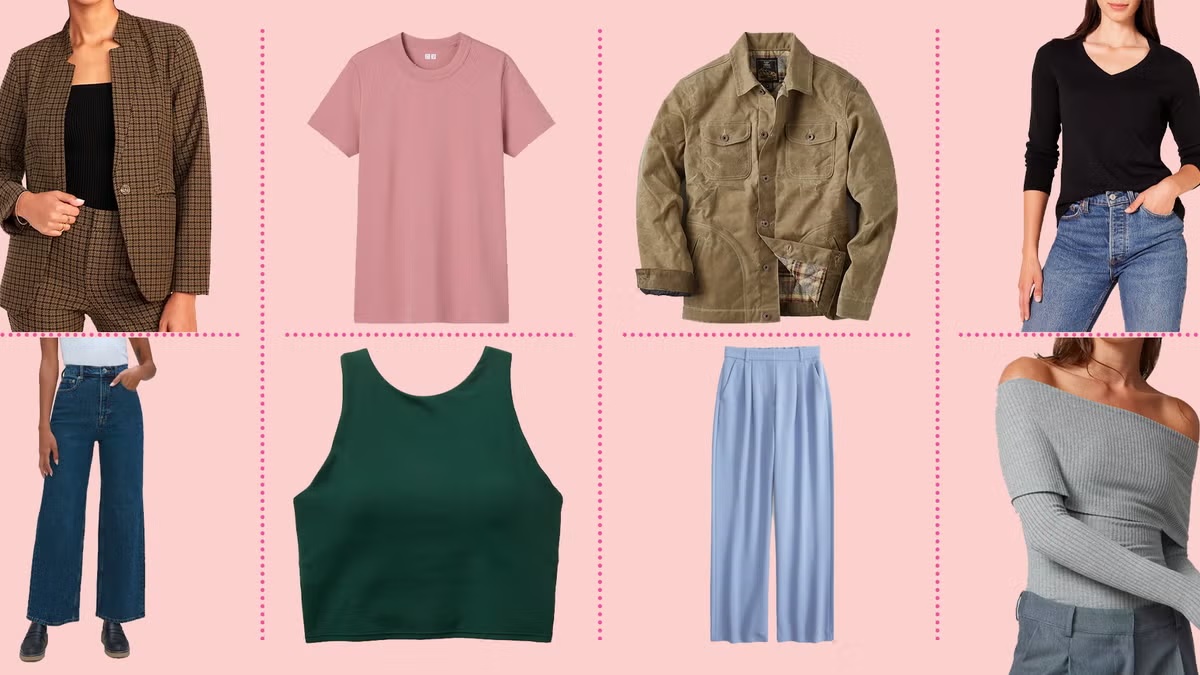
Clothing is one of the most powerful tools of human expression. From ancient civilizations to the digital era, what we wear reflects identity, culture, and societal evolution. The significance of clothing extends beyond aesthetics—it represents function, protection, and communication. The right outfit influences perception, confidence, and even professional opportunities. Understanding the history, psychology, and modern innovations of clothing allows us to appreciate its profound role in shaping individual and collective identity.
The Cultural and Historical Significance of Clothing
Clothing has always been a mirror of human civilization. Its development reveals how society has evolved socially, economically, and technologically. In ancient times, clothing was primarily functional, designed to protect from climate and environment. Over time, it became symbolic—denoting class, gender, and cultural affiliation.
Ancient Origins of Clothing
Early humans crafted garments from animal hides, plant fibers, and natural dyes. Each culture developed unique textile traditions based on available resources. Egyptian linen, Chinese silk, and Roman wool garments were not merely materials of protection but also representations of hierarchy and craftsmanship.
Evolution Through the Ages
During the Middle Ages, clothing became an indicator of status and power. Royalty and the wealthy adorned themselves with richly embroidered fabrics and jewels, while commoners wore simple, functional garments. The Industrial Revolution marked a turning point, introducing mechanized textile production that made clothing accessible to the masses. This democratization of fashion reshaped class dynamics and gave rise to the modern apparel industry.
Modern Clothing and Identity
Today, clothing functions as a universal language. It conveys mood, personality, and belonging. A person’s outfit can express confidence, creativity, professionalism, or rebellion. In the digital age, clothing trends evolve rapidly through social media influence, cultural exchange, and global accessibility.
The Functional Role of Clothing
While style is a dominant aspect, the functionality of clothing remains critical. Apparel must serve practical purposes, adapting to environment, activity, and comfort needs.
Protection and Comfort
Clothing shields the body from external elements—heat, cold, wind, and sun. Modern textile innovations enhance this function through materials like moisture-wicking fabrics, thermal insulation, and UV-resistant textiles.
Functional examples include:
- Athletic wear that regulates temperature and minimizes friction during movement.
- Workwear designed with durability and safety in mind, such as flame-resistant or reflective fabrics.
- Outdoor clothing that combines waterproofing with breathability for extreme conditions.
Modesty and Cultural Norms
Clothing also aligns with cultural, religious, and societal expectations of modesty. Dress codes vary across regions and belief systems, influencing fabric selection, color choices, and garment design.
Communication and Identity
Every piece of clothing communicates something about the wearer. Uniforms symbolize professionalism and unity, while casual wear expresses comfort and individuality. Even color psychology plays a role—blue conveys trust, black sophistication, and red confidence.
Types and Categories of Clothing
Understanding the diverse categories of clothing helps consumers and designers navigate function, occasion, and personal preference effectively.
Casual Wear
Casual clothing prioritizes comfort and self-expression. It includes T-shirts, jeans, hoodies, sneakers, and other easy-to-wear garments. This category dominates modern wardrobes due to its flexibility and accessibility.
Formal and Business Attire
Professional environments require structured and polished clothing that conveys respect and competence. Business suits, blazers, dress shirts, and formal shoes fall under this category. Dress codes such as business casual or corporate formal help define professional appearance standards.
Activewear and Sports Apparel
The rise of fitness culture has popularized performance-based clothing. Activewear integrates technology and ergonomics, offering flexibility, breathability, and support. Yoga pants, compression shirts, and running shoes are designed to enhance movement while maintaining aesthetic appeal.
Outerwear
Outerwear provides protection from the elements and contributes to style layering. Jackets, coats, and trench coats serve as both functional and fashionable pieces that complete an outfit.
Traditional and Cultural Clothing
Every culture maintains distinctive attire that reflects its heritage. Examples include kimonos from Japan, saris from India, and kilts from Scotland. These garments carry symbolic meanings tied to rituals, celebrations, and identity.
The Psychological Impact of Clothing
The phrase “dress how you want to be addressed” captures the psychological power of clothing. The study of enclothed cognition reveals that clothing influences how people think, feel, and perform.
Clothing and Self-Perception
When individuals dress in a way that aligns with their goals, they often experience improved confidence and focus. For instance, professionals who dress sharply report higher productivity and assertiveness at work.
Clothing and Social Perception
Society forms impressions based on attire within seconds. People subconsciously associate certain styles with traits such as competence, creativity, or approachability. This is why understanding appropriate attire for occasions—interviews, presentations, or casual gatherings—is vital.
Emotional Influence of Color and Fabric
Colors can evoke specific emotions:
- Blue: Calm, reliable, professional
- Red: Energetic, bold, passionate
- Green: Natural, balanced, fresh
- Black: Sophisticated, strong, timeless
Fabric texture also affects comfort and mood. Soft materials like cotton and silk promote relaxation, while structured fabrics like wool and denim provide a sense of strength and control.
The Modern Clothing Industry
The global clothing industry is one of the largest economic sectors, combining creativity, technology, and consumer behavior. It encompasses design, manufacturing, retail, and sustainability.
Fast Fashion vs. Conscious Consumption
The demand for quick and affordable clothing led to the rise of fast fashion. However, this trend has raised environmental and ethical concerns, prompting a shift toward sustainable practices.
Key elements of sustainable fashion include:
- Use of eco-friendly fabrics like organic cotton and bamboo.
- Ethical labor practices ensuring fair wages and working conditions.
- Recycling, upcycling, and resale programs to reduce waste.
Technological Integration in Clothing
Technology has revolutionized how clothing is made and experienced. Smart textiles integrate sensors to monitor body temperature, heart rate, or posture. 3D printing enables customized designs, reducing production waste. Virtual fitting rooms and AI-driven recommendations enhance online shopping accuracy.
Personalization and Consumer Empowerment
Today’s consumers value individuality. Personalized clothing options—from monogrammed pieces to custom fits—allow for deeper connection between brand and buyer. Tailored apparel ensures comfort while highlighting personal aesthetics.
The Economic Power of Clothing
Clothing drives economies on multiple levels. It fuels employment across design, manufacturing, logistics, and retail sectors. Fashion capitals like New York, Paris, and Milan influence global trends and generate billions annually through exports and fashion events.
Key drivers of economic impact:
- Global trade: Textile exports support developing economies.
- E-commerce: Online retail expands consumer reach and convenience.
- Innovation: Advancements in materials and design create competitive advantages.
Maintaining and Caring for Clothing
Proper care extends the lifespan and appearance of garments, reducing environmental impact and cost over time.
Essential clothing care tips:
- Follow care labels for washing and drying instructions.
- Separate fabrics and colors to prevent damage or bleeding.
- Store clothing in breathable spaces to prevent mold and fading.
- Repair small damages promptly to avoid replacement costs.
Sustainable consumers often adopt practices like thrifting, clothing swaps, and responsible disposal to promote circular fashion.
The Future of Clothing
The next era of clothing will merge sustainability, technology, and personalization. Emerging innovations include:
- Biodegradable fabrics that decompose naturally, reducing landfill waste.
- Smart garments capable of health tracking or temperature regulation.
- Virtual fashion for digital avatars and social media integration.
As artificial intelligence and automation refine production, customization and eco-efficiency will define the future landscape.
FAQs About Clothing
Q1: What factors should I consider before purchasing clothing?
Evaluate material quality, fit, comfort, and versatility. Investing in timeless, durable pieces ensures longevity and cost-effectiveness.
Q2: How does climate affect clothing choices?
Climate influences fabric selection and layering. In hot regions, breathable cotton and linen are ideal, while colder climates require wool and thermal materials.
Q3: Why is sustainable clothing important?
Sustainable clothing reduces environmental impact by minimizing waste, conserving resources, and supporting ethical labor practices.
Q4: How often should clothing be replaced?
High-quality garments can last years with proper care. Replace only when items lose shape, functionality, or comfort.
Q5: What is the role of fashion designers in modern clothing?
Designers shape trends, explore cultural narratives, and innovate with materials and construction methods to redefine style and comfort.
Q6: How can I build a versatile wardrobe on a budget?
Focus on neutral colors, mix-and-match pieces, and layering basics. Investing in essential staples saves money while maximizing outfit combinations.
Q7: What’s the impact of digital media on clothing trends?
Social platforms accelerate trend cycles and influence purchasing behavior through influencers, virtual shows, and user-generated content.
Q8: How can technology improve clothing comfort?
Smart fabrics regulate temperature, wick moisture, and enhance performance. Innovations in ergonomic design also improve mobility and fit.
Clothing is far more than fabric stitched into shape—it is a living representation of humanity’s creativity, resilience, and diversity. From ancient traditions to futuristic textiles, the evolution of clothing tells the story of who we are and who we aspire to be. Whether for protection, profession, or self-expression, what we wear remains one of the most powerful forms of communication in existence.
