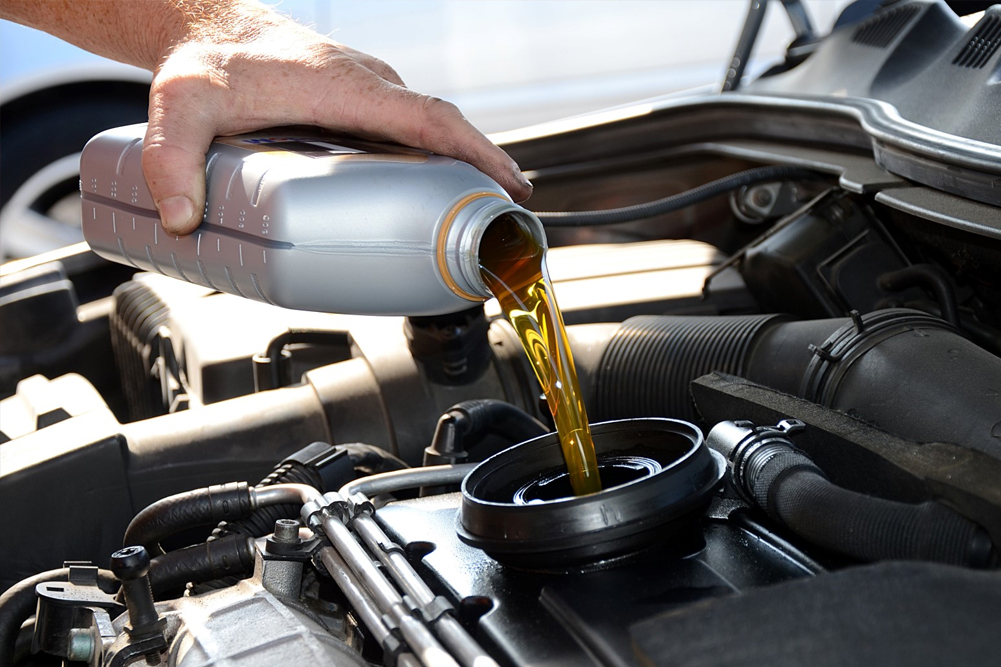
An auto repair shop does much more than swap oil and filter. When performed at a professional facility, regular oil changes become a proactive maintenance service that protects engine health, optimizes fuel efficiency, preserves warranty compliance, and extends vehicle lifespan. If you bring your car to a trusted auto repair shop on a scheduled basis, you gain diagnostic insight, high quality consumables, and service records that matter to both reliability and resale value.
Why Oil Changes Matter Beyond Lubrication
Oil provides more than lubrication. Modern motor oils perform several critical functions that affect long term engine performance and emissions.
Engine protection and wear control
Motor oil forms a film between moving parts to reduce friction and prevent metal to metal contact. Over time oil degrades and its additives are consumed, reducing film strength and increasing microscopic wear. A professional shop replaces oil before protective properties fall below safe thresholds, limiting cumulative damage and avoiding costly repairs.
Heat management and deposit control
Oil carries heat away from combustion and friction zones. Oil that is old or contaminated loses thermal stability, increases operating temperatures, and allows varnish and sludge to form. Technicians at professional facilities assess oil condition and, when necessary, recommend additional services such as intake or oil system cleaning to remove deposits that harm efficiency.
Contaminant removal and corrosion prevention
Oil traps combustion byproducts, water, and particulate contaminants. Left unchecked, these contaminants become acidic and corrosive. Routine oil changes with the correct specification of oil and a high quality filter remove contaminants and restore corrosion inhibitors.
Emissions performance and fuel efficiency
Healthy oil and a clean engine help maintain designed combustion characteristics. Worn or degraded oil can indirectly increase fuel consumption and contribute to elevated tailpipe emissions. Professional oil service helps the vehicle meet both manufacturer expectations and regulatory demands.
What a Professional Auto Repair Shop Does Differently
Not all oil changes are created equal. A professional shop applies systems, expertise, and accountability that are difficult to match with drive through quick lube bays or DIY attempts.
Precise oil specification and selection
Technicians consult the vehicle manufacturer specifications to select the exact viscosity and oil standard required, including synthetic, synthetic blend, or conventional formulations. They consider:
- Manufacturer recommended viscosity grade and oil standard
- Climate and driving patterns
- Vehicle age and mileage
This targeted selection reduces wear and avoids warranty or performance issues caused by wrong oil.
Correct filter selection and installation
A high quality oil filter and correct filter torque are essential for filtration efficiency and sealing integrity. Shops use filters that meet or exceed OEM filtration efficiency and bypass specifications. They properly lubricate seals and tighten filters to torque specifications to avoid leaks and seal damage.
Professional drain and fill technique
Technicians observe proper fluid disposal and minimize contamination risk:
- Warm the engine to improve oil drainage and remove trapped contaminants
- Use clean, calibrated funnels and hoses
- Inspect drain plugs and gaskets; replace crush washers or sealing components as needed
Comprehensive inspection and diagnostics
A proper oil change appointment includes more than fluid replacement. The technician performs a multi-point inspection that often detects potential problems early:
- Visual check for leaks around gaskets, seals, and oil pan
- Inspection of drive belts, hoses, and coolant level
- Scanning of onboard diagnostic codes that could indicate abnormal combustion or sensor faults
- Quick compression or cylinder health checks if oil condition suggests internal issues
These inspections allow the shop to recommend corrective work before minor symptoms escalate into major repairs.
Accurate service records and warranty documentation
Professional shops log each service with details about oil brand, grade, filter used, mileage, and technician notes. These records help:
- Preserve warranty claims by proving scheduled maintenance
- Support higher resale value through verifiable service history
- Allow tracking of oil consumption trends and scheduling of advanced diagnostics
Environmental compliance and responsible disposal
Shops are equipped to handle used oil, filters, and absorbents in compliance with federal, state, and local regulations. They consolidate, store, and transfer waste to licensed recyclers or disposal facilities, reducing environmental risk and legal exposure.
When to Use Synthetic Oil and Why It Matters
Choosing the right oil type is a decision a professional shop will base on evidence, not on price or convenience.
Advantages of synthetic oils
- Better high temperature stability and oxidation resistance
- Superior low temperature flow for cold starts
- Extended drain intervals in many applications when compatible with manufacturer recommendations
For performance engines, turbocharged units, or vehicles operated under severe conditions, synthetic oil can provide measurable protection against wear and deposits.
When synthetic is not necessary
Older vehicles with high oil consumption or those built around conventional oil tolerances may not benefit from a full synthetic switch. Shops evaluate the engine condition and service history before recommending a change.
Transition strategy
If a shop recommends switching oil types, they will outline a transition plan, including a monitoring period and follow up checks for leaks or consumption.
Advanced Services an Auto Repair Shop Offers During Oil Changes
A high quality oil change appointment can become an opportunity to perform advanced maintenance that protects major components.
Oil system and injector cleaning
If analysis or visual inspection shows varnish or sludge, the shop can perform targeted cleaning, including:
- Engine oil system flushes with approved products
- Intake and fuel injector cleaning to restore spray patterns and combustion efficiency
Oil analysis testing
Some shops offer oil laboratory analysis. A small sample of used oil is analyzed for:
- Viscosity, contamination, and additive depletion
- Wear metals that indicate abnormal component wear
This data-driven service is invaluable for fleet owners, high mileage engines, and performance cars, offering early warning for internal problems.
PCV system and breather maintenance
A clogged positive crankcase ventilation system raises crankcase pressure, accelerates oil degradation, and increases blow-by. Shops inspect and replace PCV components as part of a thorough oil service.
Sealing and gasket assessment
Old gaskets and seals can leak when pressure changes during engine operation. Shops check torque specifications and recommend gasket replacements before leakage becomes extensive.
How Regular Professional Oil Changes Save Money Over Time
Many vehicle owners view oil changes as recurring expense. When done professionally, they become investments that reduce lifetime costs.
Reduced risk of catastrophic engine failure
By maintaining lubrication and catching early faults, shops prevent failures that would require engine overhauls or replacements.
Improved fuel economy and emissions compliance
Consistent oil and filter maintenance keeps combustion optimized and reduces incremental fuel waste.
Higher trade in and resale value
Documented, professional maintenance increases buyer confidence and can command higher resale prices.
Predictable maintenance budgeting
Routine visits with a shop help owners plan quarterly or annual maintenance budgets and avoid surprise expense spikes.
What to Expect During a Professional Oil Change Appointment
Knowing the steps helps you evaluate whether your shop delivers value.
Typical appointment flow
- Check-in and verification of vehicle details and requested services
- Warm up engine to operating temperature and hood inspection
- Drain used oil, inspect drain plug and replace washer if needed
- Replace oil filter and perform recommended ancillary inspections
- Refill with specified oil, check for leaks, reset maintenance indicator if applicable
- Road test or idle check, final fluid level verification and service documentation
Questions you should ask
- Which oil grade and brand will be used and why
- What filter model is installed and its filtration rating
- Whether the shop performs a visual inspection and which items they check
- Details of the warranty on parts and service
Choosing the Right Auto Repair Shop for Oil Maintenance
Not every shop offers the same level of evidence based service. Use these selection criteria.
Credentials and transparency
- ASE certifications and technician training
- Open documentation of service procedures and fluid specifications
Clean shop practices and environmental responsibility
- Proper storage of used oil and filters
- Clear recycling processes and disposal receipts if requested
Data and measurement
- Willingness to perform or recommend oil analysis when appropriate
- Documentation of mileage and condition trends over time
Customer communication
- Clear, written estimates and explanations of recommended services
- Respect for owner consent before performing nonessential repairs
Common Misconceptions and Evidence-Based Corrections
Addressing myths helps owners make informed decisions.
Myth: More frequent oil changes are always better
Fact: Overly frequent oil changes with incorrect oil selection can waste resources and offer no measurable benefit. Professional shops recommend intervals based on manufacturer guidance, driving conditions, and oil type, optimizing protection without unnecessary cost.
Myth: All oil filters are the same
Fact: Filters differ in media density, bypass valve calibration, and construction. Using a filter rated for the vehicle reduces fine particle wear and extends component life.
Myth: DIY oil changes save money
Fact: DIY can save immediate cash but often lacks the diagnostic depth, correct materials, disposal compliance, and record keeping that protect long term value. For many owners, a professional service produces net savings over a vehicle lifetime.
Real-Life Case Studies That Illustrate Value
These anonymized examples show how professional oil service prevents bigger problems.
Case 1: Prevented turbocharger failure
A turbocharged sedan exhibited increased oil consumption. During a professional oil service, techs found contaminated oil with metallic particles. An oil analysis flagged abnormal bearing wear and prompted immediate turbo inspection. Early intervention saved the turbo and prevented engine damage.
Case 2: Fleet savings through oil analysis
A local delivery fleet adopted periodic oil analysis through a shop. The lab results identified early signs of coolant dilution in one vehicle, averting a blown head gasket and two days of downtime.
Case 3: Resale value boost
A vehicle with clean, documented professional oil changes achieved a higher private sale price compared to similar mileage cars without records. Buyers perceived lower risk due to verifiable maintenance history.
Maintenance Intervals and Tailoring Service to Your Driving
Manufacturers provide baseline intervals, but professional shops tailor service to real world conditions.
Consider shorter intervals if you:
- Frequently tow or haul heavy loads
- Operate in severe temperatures or dusty environments
- Drive many short trips where engine does not reach full operating temperature
Consider synthetic or extended interval service if you:
- Drive highway miles consistently
- Have a performance or late model vehicle that benefits from superior stability
A professional shop will recommend intervals and oil types based on these patterns.
Frequently Asked Questions (FAQ)
How does oil analysis work and when should I consider it?
Oil analysis requires a small sample of used oil sent to a laboratory that measures viscosity, contamination, and metal traces. Consider it if you manage a fleet, drive a performance or high mileage vehicle, or want early detection of internal wear.
Are extended drain intervals safe for older engines?
Extended intervals can be safe only if the oil type, engine condition, and previous maintenance history support longer drains. A professional shop will evaluate engine wear, oil consumption trends, and recommend a schedule that balances protection and cost.
What happens to used oil and filters after I leave them at the shop?
Licensed shops consolidate used oil and filters and transfer them to certified recyclers. Oil is reclaimed and re-refined for industrial lubricants or energy recovery, while filters are crushed and recycled. Responsible disposal prevents soil and water contamination.
Is it OK to change oil myself and still use a shop for inspections?
Yes, but maintain complete service records with dates, mileage, and materials used. Bring your documentation to the shop so technicians can track trends. Keep in mind that shops can identify issues during their inspection that DIYers may miss.
Can oil change frequency affect my vehicle warranty?
Yes, failing to follow manufacturer recommended maintenance intervals can jeopardize warranty coverage. Professional shops provide verifiable records that support warranty claims when service is performed as specified.
How do I know if a shop uses OEM spec oils and parts?
Ask for the oil data sheet or product specification before service. Reputable shops will provide the exact SAE grade, API and ILSAC ratings, and brand of filter. They should also be willing to use factory specified fluids upon request.
What are signs that oil has become contaminated between changes?
Unusual oil color changes, milky appearance indicating coolant contamination, a strong fuel smell in the oil suggesting fuel dilution, or sudden oil level drops are all red flags. If noticed, visit a professional shop for immediate diagnostics.
How can I track oil change history digitally?
Many shops provide digital receipts, maintenance apps, or online accounts where service records are stored. You can also use vehicle maintenance trackers or apps that import service receipts and reminders.
Should I be concerned about oil grade during cold winters in the United States?
Yes. Cold climates require oils with appropriate low temperature flow characteristics. A professional shop will recommend the correct viscosity grade that ensures proper lubrication at startup in your regional climate.
What questions should I ask before scheduling an oil change appointment?
Ask about oil type and grade, filter brand, included inspections, environmental disposal practices, warranty on service, and documentation provided. A transparent shop will answer confidently and provide written details.
